Articles in English
Greenland has embarked upon a project to encourage the development of skills in young people who are not in work or education. Central government, municipalities and educational institutions have joined forces to create better opportunities for young Greenlanders.
A Norwegian career guidance service is helping jobseekers to identify and present their general skills with support from AI technology and a user-friendly interface. It can even help people with little experience of working life.
Denmark offers a free Individual Competence Assessment (ICA) that recognises both formal and informal skills. The digital tool My Skills and Qualifications File (known in Danish as Min Kompetencemappe) allows citizens to record all their relevant skills for work or education purposes, which supports the country’s recognition of lifelong learning.
Data from the PIAAC surveys provide rich information about adult skills in literacy, numeracy and problem solving, and how adults use their skills at home and at work.
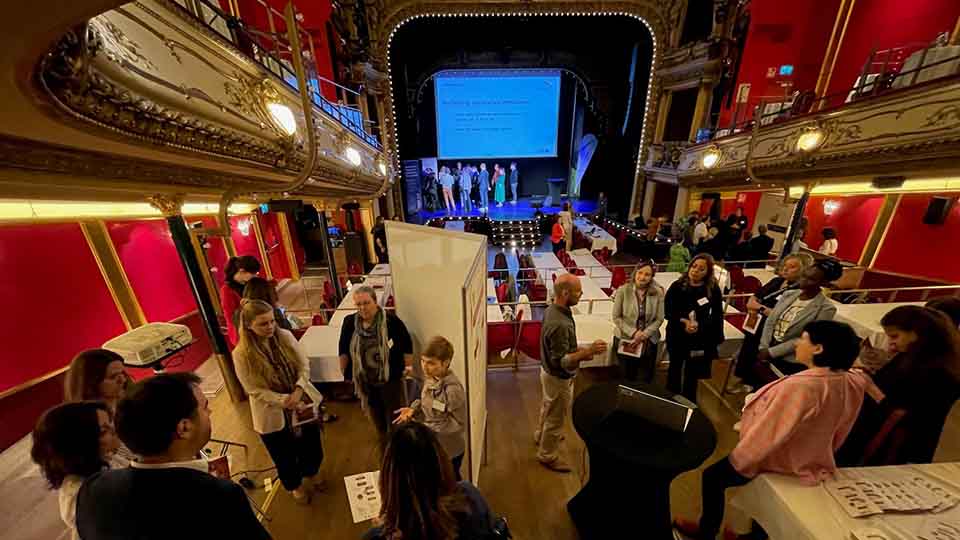
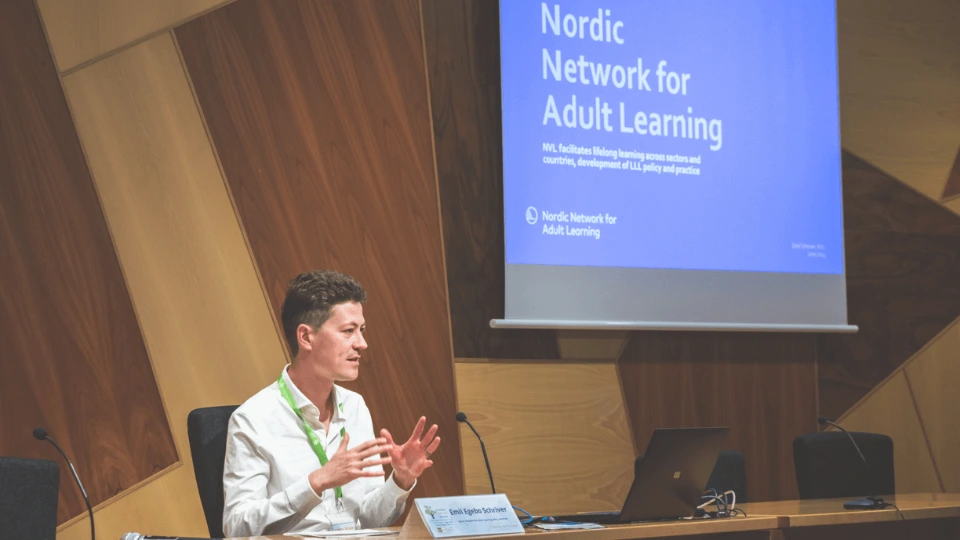
Valladolid, Spain on June 27-28, The Nordic Network for Adult Learning (NVL) participated in the European Basic Skills Network (EBSN) annual conference, focusing on ‘Upskilling and Reskilling for the Twin Transition: Digital and Green Transformation’.
The Programme for the International Assessment of Adult Competencies (PIAAC) is an OECD survey measuring key information-processing skills in literacy, numeracy and problem solving among the adult population aged 16–65.
The European Year of Skills has ended, but the work continues. Kirsi Heinivirta, director of the new Service Centre for Continuous Learning and Employment in Finland, emphasises the importance of new short modular courses and efforts to reach those who face high barriers to education.
-We must create conditions for everyone to develop, says project manager Milma Arola.
EU has prioritized skills in the workplace, dedicating an entire year to the “European Year of Skills,” abbreviated as EYS. The year will be a springboard for a skills revolution, it was stated at the closing conference in Brussels in April. Perhaps it is not that simple.
How has the Nordic Network for Adult Learning – NVL – approached the challenges that were focused on during the European Year of Skills? In the Nordic region, how have we worked to improve matching, promote retraining opportunities and address the skills shortage? We asked the NVL’s validation and guidance network coordinators, Agnetha Kronqvist and Helgi Þorbjörn Svavarsson.
The Finnish insurance company Turva has developed the company and the employees’ skills based on team learning and a philosophy that employees are experts in their own work.