


This article was originally published in Swedish and has been translated to English by EPALE, funded by the Erasmus+ programme.
During the previous government period, lifelong learning became a key area of development in Finland. There was a need to clarify the basic skills of adults and to recognise gaining new skills. Due to this, the pursuit to develop national skills badges for non-formal adult education was initiated.
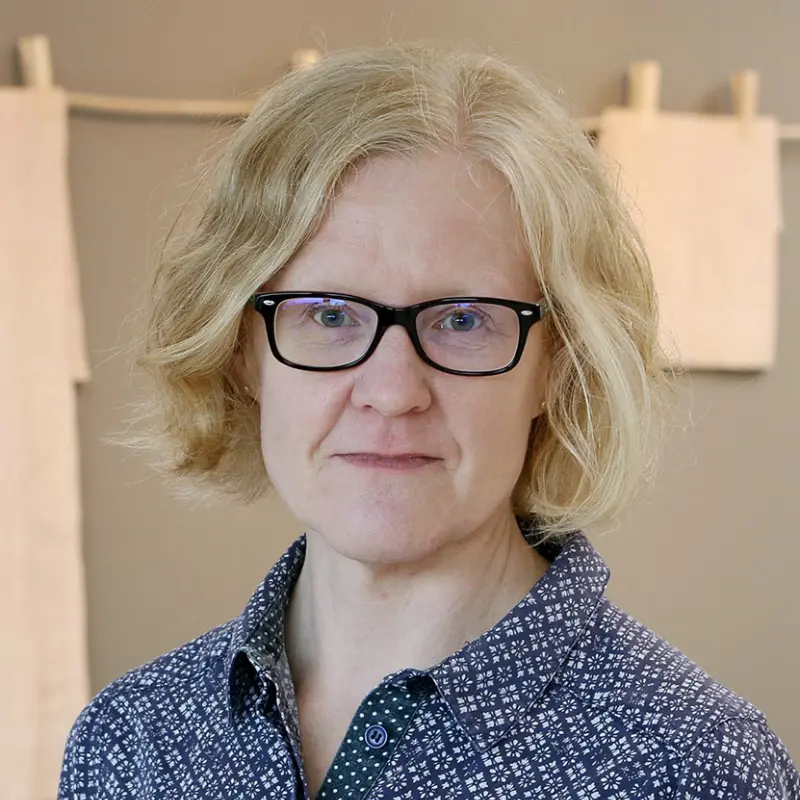
– We now hope that these skills badges will be received positively and that there will also be sufficient opportunities for non-formal adult education to start using the badges, says Marja Juhola, who is the administrative planner at the Finnish National Agency for Education, and who has been involved in the extensive work process.
Next spring, the last technical implementation will be carried out and, as of August, it will be possible to start transferring skills badges to the National Information Service, Koski.
Political playing field as a basis
The educational advisor, Annika Bussman briefly tells us about the background of the extensive work on the skills badges.
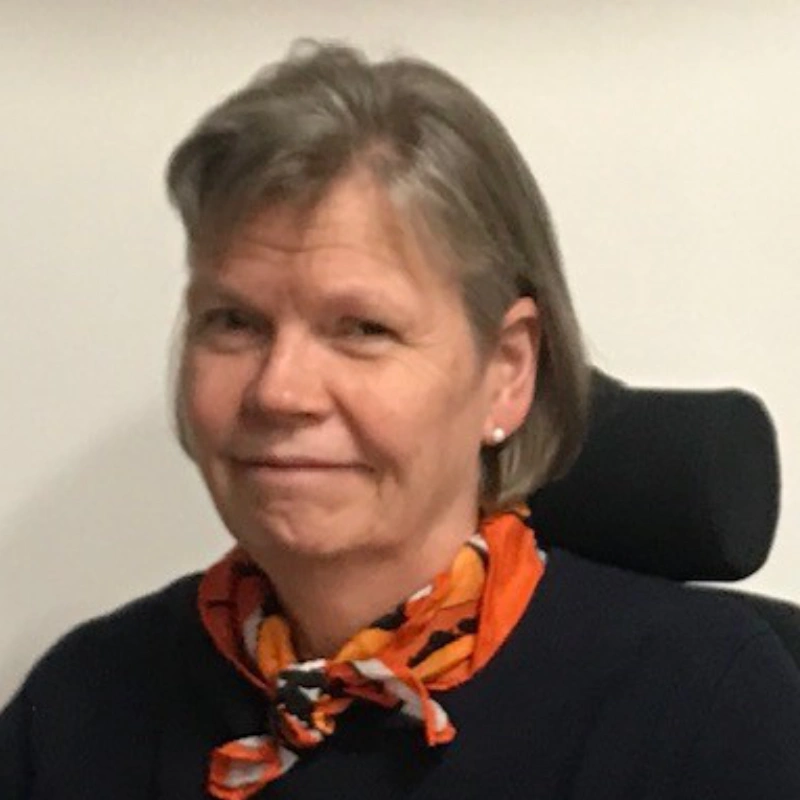
–During the previous government period, lifelong learning was one of the key areas of development in Finland. This highlighted the development of adults’ basic competences as a particularly important area for non-formal adult education.
In other words, there were now suddenly the political conditions in Finland for this work, and the Finnish National Agency for Education was tasked with taking on the process.
According to Annika Bussman, this was a natural decision.
– In practice, the development of national skills badges involves setting objectives and assessment criteria. The Finnish National Agency for Education already does something similar to this when preparing curricula or qualification requirements.
Employment-friendly badges
The new national skills badges are hopefully a way to improve the visibility of adult Finns’ skills in Finland. According to the first PIAAC survey carried out in 2012, around 10 % of the Finnish working-age adult population has weak or inadequate basic competences.
– The primary target group is adults who have weak or inadequate basic competences. Weak or inadequate basic competences can lead to difficulties in retaining a job, getting a job or even simply existing in society, says Marja Juhola.
The aim of the skills badges is therefore to promote the basic skills needed in the world of work and, by extension, hopefully that the badges also will increase employment opportunities.
– The idea is that the process to gain skills badges should be flexible and possible to do in parallel with a main job. In the end, the goal is that working life should also have access to an increasingly skilled workforce, says Marja Juhola.
She sees many positive benefits from the new skills badges.
–A single skills badge consists of a relatively small amount of competence and it encourages the individual to actively work to increase their knowledge and skills, as this can be done quickly, says Marja Juhola.
New services offered for non-formal adult education
During the work process itself, the Finnish National Agency for Education has identified the basic competence areas to be included in the skills badges. This has been done in cooperation with various education organisations and other bodies of experts. Objectives and assessment criteria have also been set for the individual skills badges.
Many representatives of non-formal adult education participated in working with the content. In addition, all interested parties were given an opportunity to comment on the content on a separate website.
– The idea is to be able to offer non-formal adult education the possibility of adding skills badges as part of their service. The assessment of skills is then carried out by an expert working in the field of non-formal adult education, says Marja Juhola.
Challenges to address
However, the introduction of the new skills badges also poses challenges and careful planning is now required to ensure a smooth transition. According to Annika Bussman, careful communication and various support measures are necessary to successfully implement the new tool.
– One of the greatest challenges is to reach those who rarely participate in education and training. We must actively seek them out to help them strengthen their basic skills and gain skills badges. This type of work is already part of non-formal adult education, thus this is not an entirely new challenge, as Annika Bussman says.
Despite some upcoming challenges, the education advisor believes that skills badges will be a key to raising awareness of and recognising adult competences.
Non-formal adult education is recognised
Finally, Annika Bussman raises another important point.
– The work carried out in the field of non-formal adult education will now become more visible and this will further strengthen its social role.
Marja Juhola also points out that skills badges are not only tools for individual development, but also important keys for strengthening the role of non-formal adult education in the Finnish education system.
– The strength of non-formal adult education lies in developing and strengthening adults’ basic skills. It is therefore natural that non-formal adult education should also be responsible for the skills badges within the framework of lifelong learning.