

By Johanna Tarvainen, EPALE Finland.
Low foundational skills among adults are nothing new. If we had organised a Nordic conference on adult skills 30 years ago, literacy and numeracy would probably have been on the agenda then too. So why are we still discussing the same issues? Is it because we do not know what to do, or because we know but have not managed to do enough?
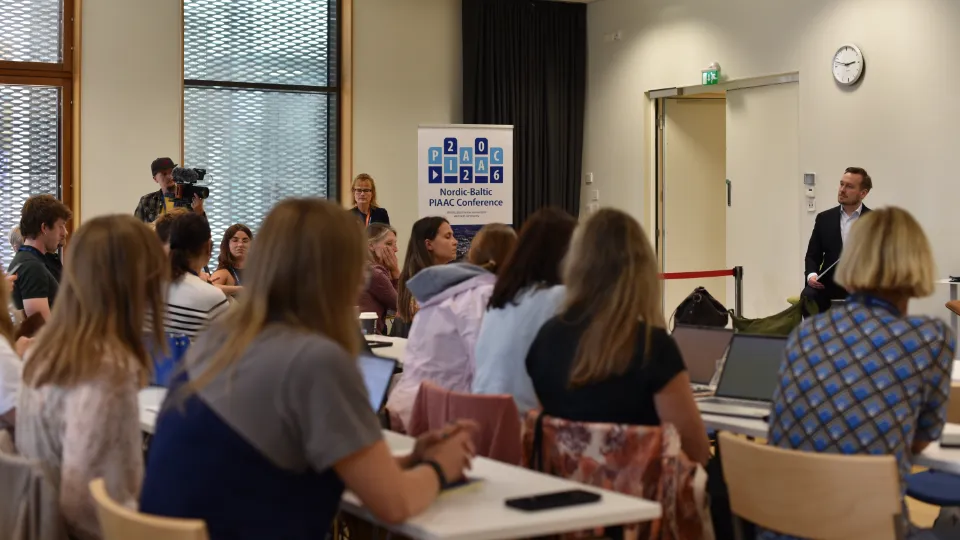
These were some of the questions discussed at the Nordic-Baltic PIAAC Conference in Jyväskylä, Finland, at the end of August. EPALE’s Nordic network was involved in organising the conference, which brought together researchers, policymakers and adult learning experts from across Europe.
The Programme for the International Assessment of Adult Competencies (PIAAC) is an OECD programme that assesses and analyses adults’ skills. Its Survey of Adult Skills looks at the skills adults need to participate actively in today’s society and working life.
Two keynote panels brought together leading European researchers and policymakers to discuss both the foundational skills needed today and the skills we will need in the future. The first asked who adults with low foundational skills are and how they can be reached. The second focused on changes in working life, particularly the impact of artificial intelligence on skills needs.