
Work, Learn, Evolve: Conference on Workplace Learning
Registration for the Nordic Conference on Workplace Learning in a Lifelong Learning Perspective is closed.
- Start Date
- Start and end time
- Event type

On October 20th, 2026, a Nordic conference on workplace learning will be held in Iceland, bringing together professionals engaged in adult education and lifelong learning across the Nordic region.
Place: Hilton Reykjavik, Suðurlandsbraut 2, 108 Reykjavík
Date: October 20, 2026 from 9 am to 4 pm
The conference is aimed at:
- staff in adult education institutions
- competence policy experts
- training and learning departments within public and private organisations and enterprises
- professionals responsible for organising learning in civil society and the third sector
The primary focus of the conference is workplace learning as a central element of lifelong learning — across both the public and private sectors. The programme explores how organisations develop learning internally, how competencies are supported and renewed in everyday work, and how local and national educational institutions contribute through professional support, partnerships, and innovation.
The conference highlights workplace learning as a key arena where education, working life, and societal change meet.
The conference addresses core aims and priorities for adult education and lifelong learning in the Nordic countries, including:
- Supporting the strategies for lifelong learning and competence development
- Strengthening cooperation, networks, and exchange of experience among professionals in Nordic lifelong learning
- Creating synergies between lifelong learning initiatives and other relevant Nordic and international efforts for competence development
- Contributing to innovations in lifelong learning systems
- Promoting interaction among the key stakeholders from education, research, civil society, and the labour market
Programme. October 20
| 09:00 – 10:00 | Arrival, registration, coffee, workshop selection |
| 10:00 | Opening – The Education and Training Service Center (ETSC) – Nordic Network for Lifelong Learning (NLL) – University of Iceland |
| 10:15 | Keynote 1 |
| 11:15 | Break and proceed to workshops |
| 11:30 – 12:30 | Workshops |
| 12.30-13.15 | Lunch |
| 13:15 – 14:15 | Keynote 2 |
| 14:15 | Break and proceed to workshops |
| 14:30 – 15:40 | Workshops including coffee |
| 15:40 | Back to plenum |
| 15:45-16:00 | Key take aways and thank you |
Keynote 1: The Benefits of Learning
Professor Petri Salo, Åbo Akademi and Associate Professor Ulrik Brandi, Aarhus University, will introduce and discuss their views on the benefits of learning. They will highlight the wide-ranging impact of adult learning at individual, organisational, and societal levels. The discussion will be moderated by Marie Kirstejn Aakjær from Nordic Network for Lifelong Learning and Hróbjartur Árnason from Education and Training Service Centre in Iceland.
Workshop session one: Competence development and challenges
| Workshop A-1 – in English |
| A Lifetime of Learning – Nordplus project Partners from Denmark, Finland, Iceland, Norway, and Sweden collaborate to examine how skills are developed in workplaces, with focus on healthcare and technology sectors facing acute labour shortages. By analysing workplace cases, the project identifies effective models for work-based learning and supports the development of adaptable, resilient workforces across the region. |
| Workshop B-1 – in English |
| The Value of Career Guidance in Lifelong Learning This workshop, held in connection with Career Guidance Day, will explore the value of career guidance for individuals and society. It will highlight current trends and emerging perspectives in the field and consider how guidance can support people in navigating changes in learning and working life. The workshop will also bring in the voices of users, exploring their experiences of career guidance and the difference it can make in their lives. By connecting theory, professional practice and user perspectives, the session will offer an opportunity to reflect on the value of career guidance in a changing world of work. |
| Workshop C-1 – in English |
| Worklife learning – innovative and practice-oriented competence development in working life – Nordic Network for Lifelong Learning Learning in Working Life is a project that investigates the implementation and outcomes of learning circles as a practice-based model for workplace learning in the Nordic primary healthcare sector in five public sector workplaces. A core hypothesis of the project is that a successful learning circle can serve as a catalyst for long-term changes in competencies and organizational capacity, while also strengthening the local learning culture. The overall ambition of the project is to develop a sustainable method for competence development and capacity building in a sector facing significant challenges related to skills shortages, time pressures, and staff retention. In the workshop, we will present the learning circle method and share experiences from ongoing work within the Social & Health care in Jönköping Municipality, Sweden. This will serve as the basis for group discussions on experiences, challenges and potentials to participant-driven approaches to workplace learning. |
| Workshop D-1 – in English |
| Professional certification in working life – The Education and Training Service Centre In a rapidly changing labour market, it is important that job-related skills are visible and verified. The Professional Certificate in working life makes this possible. Through a competence assessment, employees’ skills are measured against the job’s competence criteria. Training and instruction tailored to the assessment results follow. When all competence criteria for the job have been met, the skills are certified with the Professional Certificate for the Workforce for that occupation. This brings benefits for both employers and employees. |
| Roundtable discussion E – in English |
| The two keynote speakers, Petri Salo from Finland and Ulrik Brandi from Denmark, offer an informal roundtable discussion about the issues raised during their keynote speech. Join this discussion for an informal exchange about workplace learning, lifelong learning and non-vocational, non-formal adult education and their interrelationships. |
Keynote 2: From Skills Gaps to Skills Ecosystems
Antonela Miho, Economist at the OECD’s Local Employment and Skills Unit
Antonela Miho will address the shift from skills gaps to building sustainable skills ecosystems, moving beyond identifying shortages toward comprehensive, system-level solutions.
Workshops session 2: Innovation and regional development
| Workshop A-2 – in English |
| Fostering Innovation and Sustainability in Rural Businesses – Nordplus Project This project identifies emerging competency needs in sparsely populated Nordic regions through structured dialogue with businesses and educational institutions. It maps successful innovation practices, highlights barriers faced by rural SMEs, and offers a framework for strengthening sustainable, future-oriented competencies in rural communities. |
| Workshop B-2 – in English |
| The Future Festival – Reykjavik City Library How to future? What skills do we need to practice? How can we share what we know with each other? The future is often described as a faraway place we have very little control over, but one day, somewhere, someone imagined that we would live the way we live today. The program is created each year in collaboration with many partners and explores diverse forms of learning and collective imagination. We use our hands, brains and whole bodies to form connections and shape the world we want to live in. Libraries have always been places of empowerment—helping people navigate information, ask better questions, and think critically. In today’s age, that mission extends beyond bookshelves. Libraries are vital third spaces that foster knowledge exchange in hybrid formats and provide much needed spaces of encounters. |
| Workshop C-2 – in English |
| Erasmus+ projects that support workplace learning At Iðan Educational Centre, a wide range of activities is carried out within Erasmus+ education and training projects. These activities focus on organising work placements for Icelandic vocational students in Europe and hosting vocational students from across Europe in Iceland. The quality of the training provided by host organisations is a key priority. Through Erasmus+ cooperation projects, Iðan and its partners have developed quality standards and a quality assurance certification framework. Iðan currently coordinates the Erasmus+ cooperation project EQAMOB (European Quality Assurance in Mobility), which focuses on quality requirements for companies participating in learning mobility and training projects, while also exploring ways to support participating companies and strengthen the community of organisations involved in education and training mobility. The Center for Continuing Education in Suðurnes (MSS) coordinated the project Job Ready: A Pathway into Tourism. The project developed training courses and learning materials for individuals seeking to enter employment in the tourism sector. It combined classroom-based learning with workplace training in Iceland, Austria, and Cyprus, demonstrating how international cooperation can support skills development, increase employability, and strengthen the link between education and the labour market. |
| Workshop D-2 in English/Icelandic |
| Learning spaces and Worklife innovation Learning can take place beyond the traditional classroom or workplace. How do we foster innovation in corporate training, support employees in their daily work, and use technology to communicate with staff and customers. How can NGOs and other none profit organizations support professional development and personal growth? Presentation from Icelandic companies from different sectors as: Red Cross, Hrafnista Nursing homes, Þingvellir National Park and ISAVIA Airports |
| Wrap-Up and Reflections |

Antonela Miho
Antonela Miho is an Economist at the OECD’s Local Employment and Economic Development Programme in Paris, where she leads research on local labour markets and skills policy. Her work examines the impact of structural change on local labour markets, including shifts in technology and trade, and the role of skills in helping people and places navigate economic transitions. She holds a PhD in Economics from the Paris School of Economics.
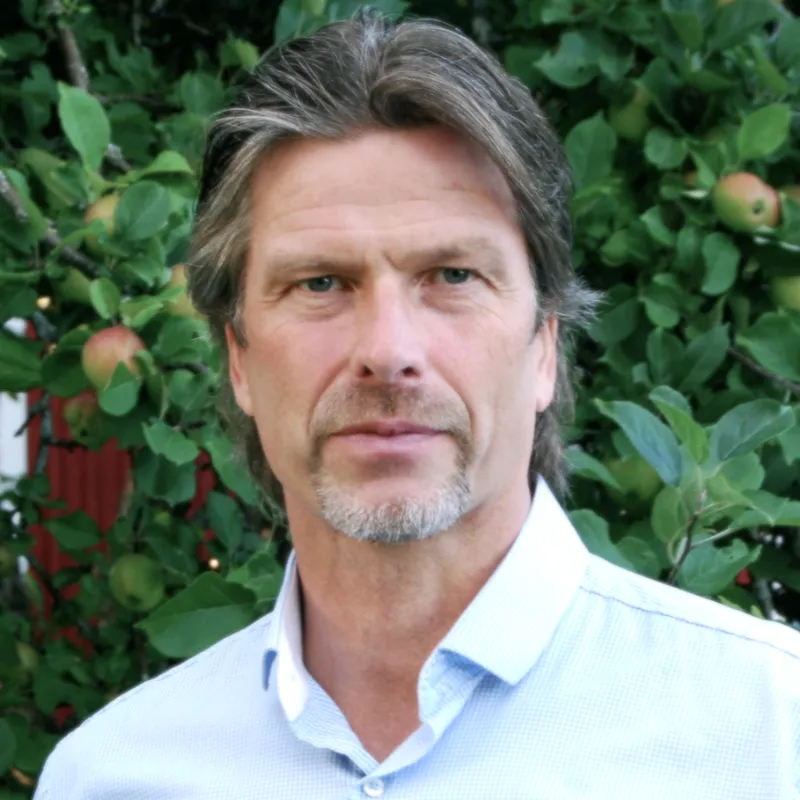
Petri Salo
Petri Salo is a Professor of Adult Education at Åbo Akademi University, Finland. In addition to a long-standing interest in the traditions and practices of popular adult education in the Nordic countries, his research interests include action research and school development. As part of his professional responsibilities involves teacher education within Vocational Education and Training (VET), his recent research has focused on teachers’ competencies and professional learning.
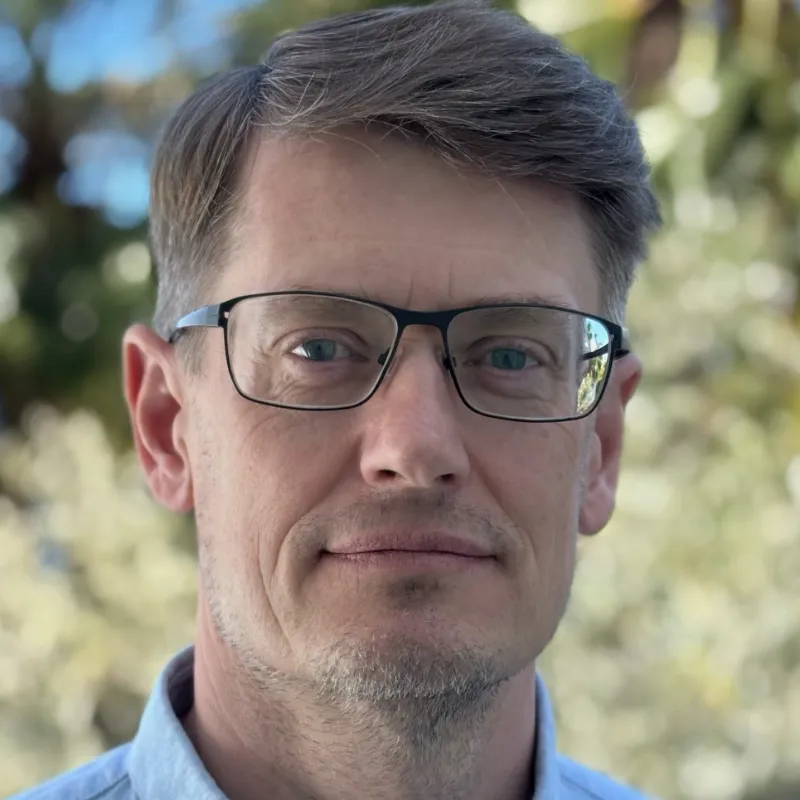
Ulrik Brandi
Ulrik Brandi is an Associate Professor of Organisational Learning at the Danish School of Education (DPU), Aarhus University, Denmark, where he heads the university’s research programme on lifelong learning and vocational education. His research interests include lifelong learning, workplace and organisational learning, and employee-driven innovation, with a particular focus on the conditions in everyday work that enable or hinder learning. He has led national and European research and intervention projects in collaboration with public institutions, private enterprises and social partners. His work primarily uses participatory approaches to competence development in organisations.

Marie Kirstejn Aakjær
Marie Kirstejn Aakjær is Associate Professor at Aarhus University, School of Education, and Denmark’s national coordinator in the Nordic Network for Lifelong Learning (NLL). With a background in co-design, her work now focuses on learning in the workplace, social innovation, and co-creation. She has led several national research projects in public sector (social work, health, care, criminal justice) and has a longstanding interest in the development of practices that connect research and practice.

Hróbjartur Árnason
Hróbjartur Árnason is a lecturer and director of academic development at the University of Iceland. His work focuses on teaching, learning, lifelong learning, and professional development. He has contributed to a range of projects and collaborations exploring workplace learning, adult education, the use of ICT in adult education, and competence development, with a particular interest in how learning is embedded in everyday work and organisational life.
The conference serves as a meeting place for practice, research, and policy, encouraging shared reflection on how workplace learning can support sustainable working lives, inclusion, and continuous professional development in a rapidly changing world.
Hosted by the University of Iceland, the Nordic Network for Lifelong Learning (NLL), and The Education and Training Service Centre (ETSC), the conference provides a shared Nordic platform for dialogue, exchange, and collaboration on the advancement of lifelong learning systems.
Join us in Reykjavik, Iceland on October 20th, 2026, and take part in shaping the future of workplace learning and lifelong learning in the Nordic region.
Fjóla María Lárusdóttir, NLL coordinator in Iceland, fjola@frae.is.
The conference is organised in cooperation with the following partners: University of Iceland, Education and Training Service Centre, Nordplus, Símennt, Rannís and EPALE.


